CREATION. ART SINCE THE BEGINNING (BLOOMSBURY BOOKS, 2021)
A SUNDAY TIMES ART BOOK OF THE YEAR
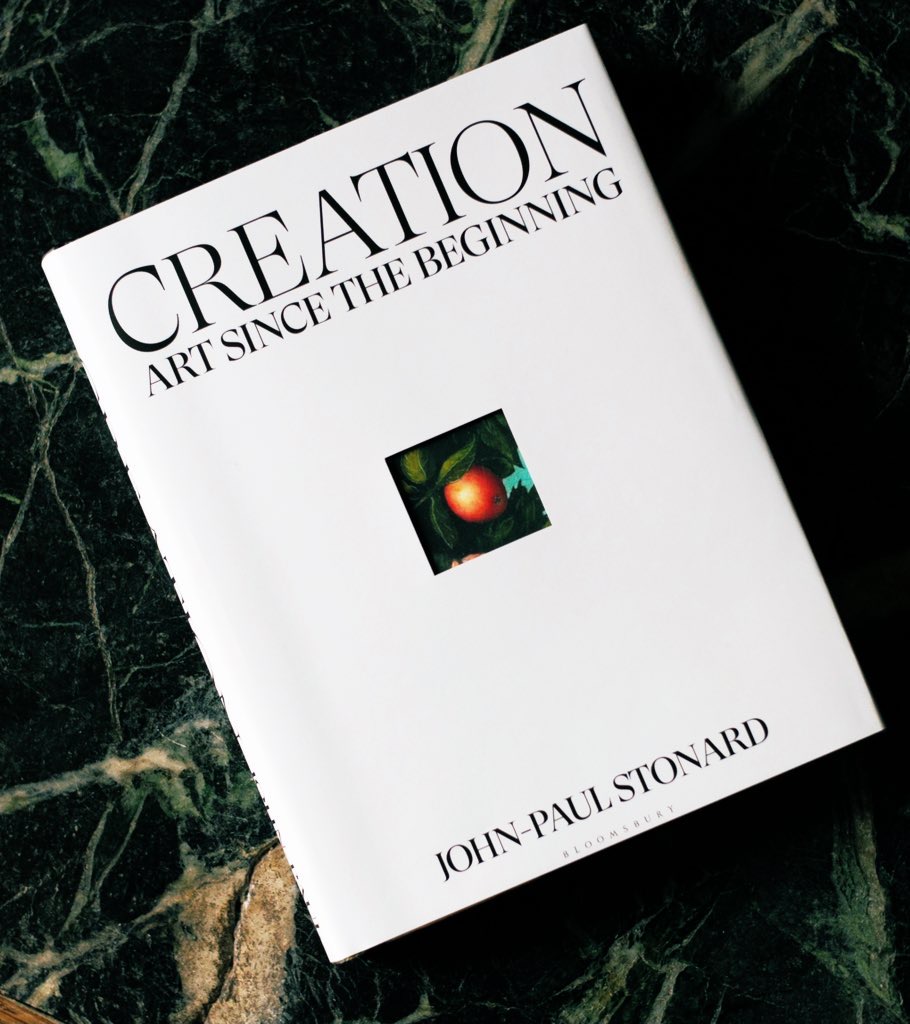
A fully illustrated, panoramic world history of art from ancient civilisation to the present day, exploring the remarkable endurance of humankind’s creative impulse.
‘A worthy and richly illustrated successor to Ernst Gombrich’s fabled The Story of Art‘ ― Sunday Times, Best Art Books 2021
CHATSWORTH, ARCADIA, NOW (PENGUIN BOOKS, 2021)

No house embodies the spirit of one dynasty better than Chatsworth. Set in an unspoilt Derbyshire valley, surrounded by wild moorland, and home to the Cavendish family for sixteen generations, this treasure house is filled with works of art and objects – from Nicolas Poussin’s The Arcadian Shepherds and Antonio Canova’s Endymion to great contemporary paintings by Lucian Freud and David Hockney – which have all, in their time, represented the very best of the new.
Following the completion of a decade-long programme of renovations, the exterior of Chatsworth is gleaming, its stone façade newly cleaned and its window frames freshly gilded. Inside, through the inspired juxtaposition of old and modern, its rooms fizz with creative energy. Chatsworth, Arcadia, Now tells the story of this extraordinary place through seven scenes from its life, alongside a stunning photographic portrait of the house and its collections, captured at a moment of high optimism in its long history.
Available at bookshop.org.uk
Just about the most mouthwatering book produced this century… Gardens, landscapes, libraries, wild flower meadows, works of art, architecture… Bliss! — Alan Titchmarsh MBE
This glamorous, artistic book is a fitting tribute to a decade of renovation… One could say that the book is a collection piece in its own right… Breathtaking still-life studies underline the connections and contrasts between old and new… The sense of a great house with a vibrant past, present and a future is palpable — Jeremy Musson ― Country Life
ANSELM KIEFER: WALHALLA (WHITE CUBE PUBLICATIONS, 2017)
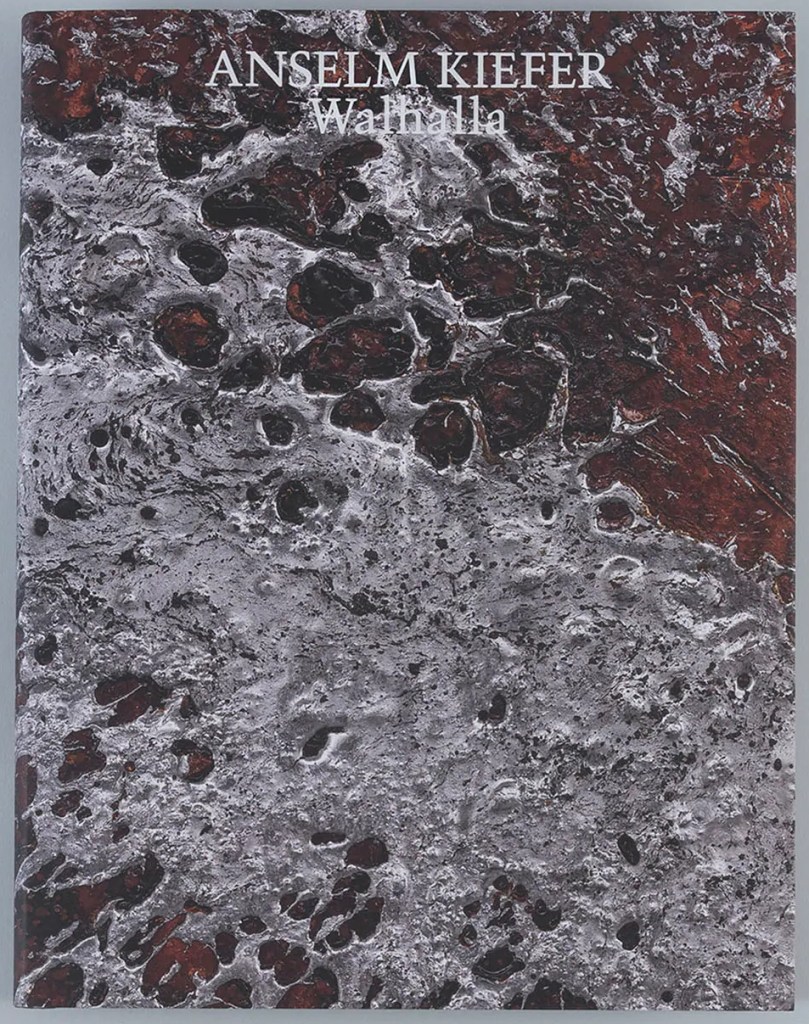

Accompanying an exhibition at the White Cube Gallery Bermondsey, 23rd November to 12th February 2017
Purchase at the White Cube Shop
GERMANY DIVIDED. BASELITZ AND HIS GENERATION (BRITISH MUSEUM PRESS, 2014)
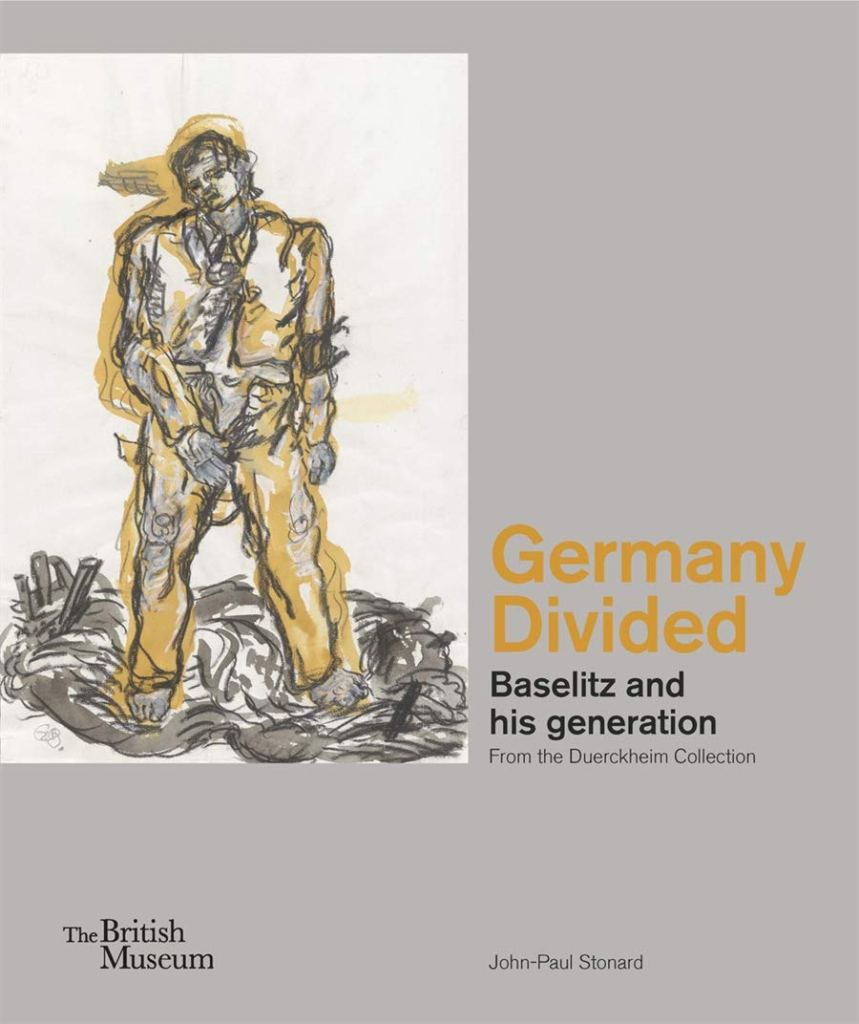
Accompanying an exhibition at the British Museum, 6th February – 31st August 2014.
‘… a valuable insight into the work of six of Germany’s key artistic figures in the 60s and 70s, exploring their East German wartime roots and grappling with their identities as they crossed the border – willingly or otherwise – to begin a new life in the West’. — Studio International
See also the three poems commissioned in response to the exhibition, by Sam Riviere, Kathryn Maris, and Michael Hoffmann, published in The Poetry Review 104.2: https://britishmuseumblog.wordpress.com/category/exhibitions/germany-divided-baselitz-and-his-generation/
THE BOOKS THAT SHAPED ART HISTORY (THAMES & HUDSON, 2013)

The Books That Shaped Art History reassesses the impact of some of the most important texts of art history published during the twentieth century. Each of the sixteen incisive chapters focuses on a single title and is written by a leading art historian, curator or one of the promising scholars of today’s generation. In bringing these cross-generational contributions together, this book provides a varied and invaluable overview of the history of art, told through its seminal texts. The sixteen books include Nikolaus Pevsner’s gospel of Modernism, Pioneers of the Modern Movement, Alfred Barr’s now legendary monograph on Matisse, E.H. Gombrich’s Art and Illusion, Clement Greenberg’s Art and Culture, which had a seismic impact when it was published in 1961 and Rosalind Krauss’s The Originality of the Avant-Garde and Other Modernist Myths, which introduced structuralist and post-structuralist philosophy into art historical study. Initiated by and and prepared under the auspices of The Burlington Magazine, each chapter – with writers including John Elderfield, Richard Verdi and Susie Nash – analyses a single major book, mapping the intellectual development of its author, setting out the premises and argument of the book, discussing its position within the field of art history, and looking at its significance in the context both of its initial reception and its legacy. An introduction by John-Paul Stonard explores how art history has been forged by these outstanding contributions to scholarship, as well as by the dialogues and ruptures between them. The book is supplemented by contextual essays summarising the achievements of each art historian and offering a detailed publication history of their texts, with suggestions for further reading. Enlivening debates and questioning the very status of art history itself, The Books That Shaped Art History is a concise and brilliant overview of the discipline and an invaluable resource for students, teachers, bibliophiles and all those interested in visual culture and its histories.
REVIEWS:
‘ [a] thrilling account of the history of 20th-century art’ – The Guardian
‘The Books That Shaped Art History, with highly original and at times provocative essays, and its multiple plots and subplots, is a very valuable, stimulating, and also an eminently teachable anthology’. — College Art Association Reviews
FAULT LINES. ART IN GERMANY 1945-55 (RIDINGHOUSE PRESS, 2007)

“Fault Lines. Art in Germany 1945-55 offers an important and insightful account of art and artists in Germany in the wake of the Second World War, and of the reconstruction of German artistic culture in the early stages of the Cold War. Drawing on a broad range of archival and visual sources, “Fault Lines” examines the circumstances of destruction, defeat and division in the postwar decade, and the role played by artists during the first moments of reconstruction and occupation. How did artists respond to the destruction of Germany by Allied bombardment? What was the impact of Russian, American, French and British cultural policies during the military occupation? What were the driving forces behind British cultural policy? In the face of political division, how did artists react to German cultural traditions, symbols of a lost whole? What were the connections between East and West?”
‘… this well-researched and lucidly written book, which transcends its apparently rather narrow subject to become a fascinating piece of modern European history’. — Times Literary Supplement
 JOHN-PAUL STONARD